The San Diego Zoo, Balboa Park, La Jolla’s tide pools, Mission Bay’s open water, and a day trip to LEGOLAND cover the essentials for most families visiting or living here. This guide organizes everything by age group and neighborhood, so you can build a day or a full weekend without guesswork, and it flags the passes and timing tricks that save both money and patience.
TL;DR:
- The San Diego Zoo offers a hands-on Wildlife Explorers Basecamp suitable for children of all ages, especially when booked early in the morning.
- La Jolla tide pools are best explored at low tide, with calm waters at Mission Bay ideal for paddleboarding and kayaking rentals for beginners.
- For indoor activities during bad weather, Balboa Park’s museums and science centers provide engaging options for different age groups and are accessible with the Explorer Pass.
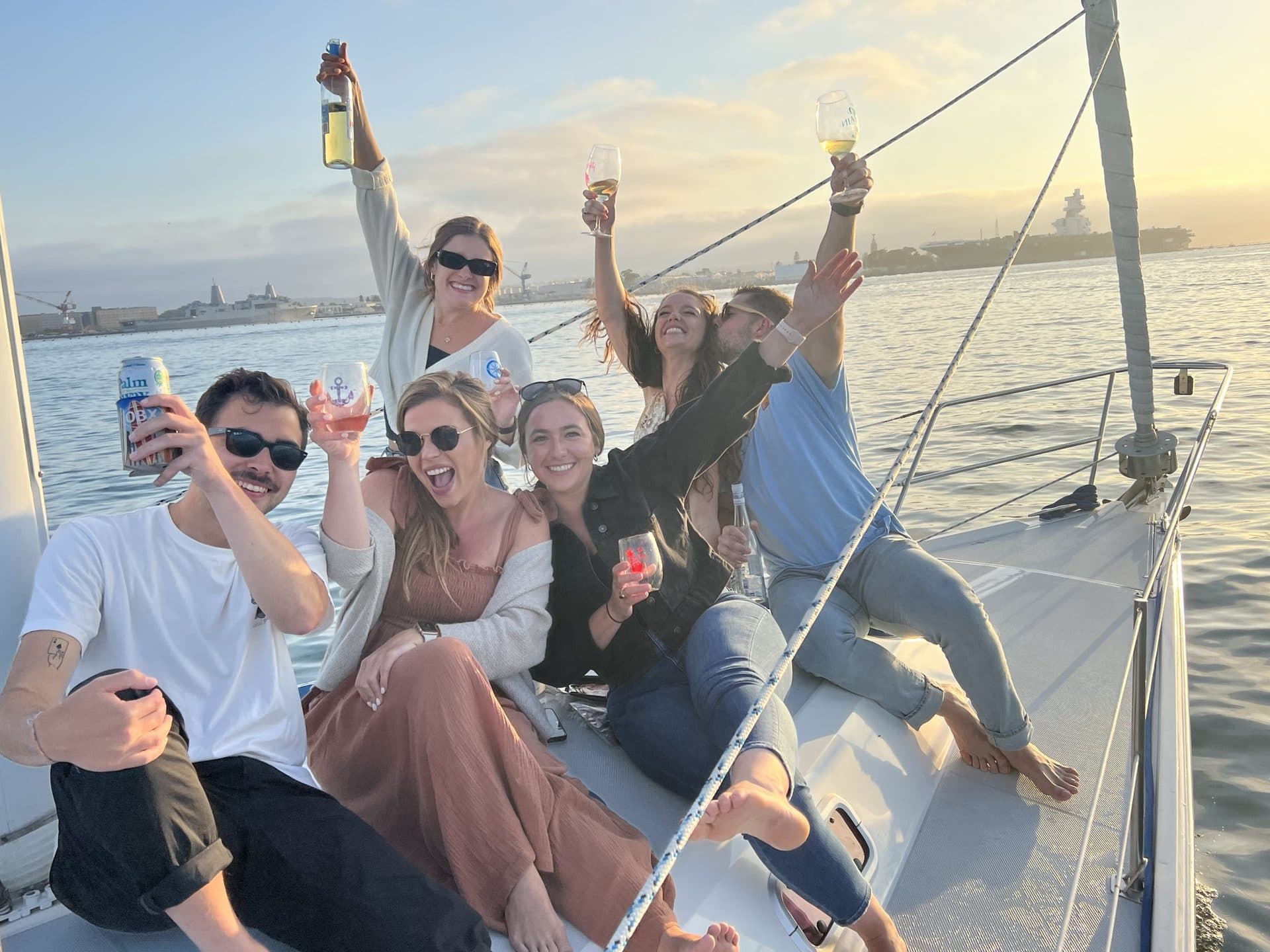
- Private sailing charters are a quiet, personalized alternative to crowded land attractions, with options to include wildlife watching and swimming, especially in peak summer times.
- Planning a mix of active and relaxing stops, arriving early, and checking schedules beforehand help ensure a smooth family outing without unnecessary stress.
Table of Contents
- 1. Top Picks for a Can’t-Miss Family Day
- 2. Matching Activities to Your Child’s Age
- 3. Neighborhood Itineraries You Can Follow Without Extra Research
- 4. Beaches and Water Play: Tide Pools, Rentals, and Staying Safe
- 5. Where to Go When the Weather Doesn’t Cooperate
- 6. Theme Park Day Trips: LEGOLAND and SeaWorld
- 7. Free and Low-Cost Days at Mission Bay and Fiesta Island
- 8. Seasonal Events and Camps Worth Planning Around
- 9. Planning Logistics That Save You a Headache
- 10. A Private Sailing Option for Families on the Bay
- 11. A Local Parent’s Notes on Pacing a Family Day
- 12. Why Families Choose a Private Charter for a Different Kind of Day
- 13. Where to Check Current Hours, Permits, and Tickets
- Sources
- FAQ
1. Top Picks for a Can’t-Miss Family Day
Some days you just need one great answer, not a scroll through fifty options. These six deliver, and each one fits a slightly different mood and age range.
The San Diego Zoo tops most lists for good reason. Beyond the animal exhibits, the Wildlife Explorers Basecamp gives kids more than three acres of hands-on nature play, built specifically for active exploration rather than passive viewing. It’s the kind of stop where a four-year-old and a ten-year-old both stay interested.
Balboa Park works as a whole day on its own. The park is laid out so that attractions cluster by interest, meaning you can build a “mini-theme” day around trains, science, or animals instead of crisscrossing the grounds. The Balboa Park Explorer Pass bundles museum entry for families who want to hit more than one stop.

La Jolla Cove and La Jolla Shores offer tide pools, calmer water for little swimmers, and a grassy park for a picnic blanket. Time your visit around low tide for the best tide-pool viewing, and expect the cove itself to be busy on clear afternoons.
Mission Bay Park is the region’s water playground, with paddleboard and kayak rentals and long stretches of shoreline for a beach afternoon that does not involve ocean surf. LEGOLAND and SeaWorld sit within easy striking distance for a theme park day, and a private sailing trip on the bay is worth considering when you want the water without the crowds.
- San Diego Zoo: best for a full day, any age, book morning entry to beat the heat.
- Balboa Park: best for museum lovers and rainy days, pair with the Explorer Pass.
- La Jolla Cove and Shores: best for tide pools and calmer swimming, go at low tide.
- Mission Bay Park: best for rentals, biking, and picnic space near the water.
- LEGOLAND or SeaWorld: best as a planned day trip, roughly thirty minutes away.
- Private sailing charter: best for a quieter family outing on the bay itself.
2. Matching Activities to Your Child’s Age
A three-year-old and a thirteen-year-old rarely want the same afternoon, and trying to force one itinerary onto both usually ends in a meltdown somewhere around hour three. Building your day around what each age actually enjoys keeps everyone happier for longer.
- Toddlers (1 to 3 years): Short outings work best. The Wildlife Explorers Basecamp’s nature play areas, shallow tide pools at low tide, and stroller-friendly paths at Balboa Park all suit short attention spans. Plan for a nap window and keep outings relatively short.
- Preschoolers (3 to 5 years): Fleet Science Center’s Kid City area and the Zoo’s Basecamp both give preschoolers room to touch, climb, and explore safely. Mission Bay’s calmer coves also work well for first swim lessons with close supervision.
- Elementary-age kids (6 to 10 years): This age handles a full day best, mixing an active morning (Zoo, beach, or paddleboarding) with a calmer afternoon (museum, picnic, or short cruise). Balboa Park’s Model Railroad Museum and theNAT hold their attention longer than younger siblings.
- Tweens and teens (11 and up): LEGOLAND starts to feel young for this group, while SeaWorld’s shows and La Jolla’s tide pools and cliffs still land well. A sunset sail or a wildlife cruise on the bay also tends to impress this age group more than a standard playground stop.
Always keep lifeguard-covered beaches and flotation devices part of the plan for young swimmers, and build in a rest break between the active and calm portions of the day. Mixing one high-energy stop with one low-key stop, rather than stacking two big outings back to back, tends to produce the fewest tears by dinnertime.
3. Neighborhood Itineraries You Can Follow Without Extra Research
Instead of planning from scratch, borrow one of these four half-day or full-day routes built around a single neighborhood.
- Balboa Park day: Arrive by 9:30 a.m. for parking, start with the Zoo or Fleet Science Center depending on age, break for lunch at one of the park’s cafés or a shaded picnic table, then finish with a second museum or a stroll through the gardens. Parking fills fast on weekends, so early arrival matters more here than anywhere else on this list.
- La Jolla half-day: Hit the Cove at low tide for tide pools, then walk to Kellogg Park near La Jolla Shores for a playground and restroom break, which also happens to hold the only beachfront boat launch within city limits. Grab lunch at one of the casual spots along Girard Avenue before heading home.
- Mission Bay beach day: Pick a calm cove for younger kids, rent paddleboards or kayaks for older ones, and pack a picnic since the park has ample grassy space near the water. Parking at the more popular coves goes early in summer, so a weekday visit or an early start helps.
- Coronado ferry option: Skip the bridge traffic and take the ferry from downtown for a short, scenic ride that doubles as an activity on its own, then spend the afternoon on Coronado’s beach or exploring the Ferry Landing shops.
For transport, driving works fine for Balboa Park and La Jolla, but the Coronado ferry is worth the small fare just to avoid bridge parking headaches on a busy weekend.
4. Beaches and Water Play: Tide Pools, Rentals, and Staying Safe
The coastline here offers something for every comfort level, from tide pools you can explore on foot to open water for rentals and paddling.

Tide pools at La Jolla Cove are richest an hour or two before and after low tide, when more of the rocky shelf is exposed. Walk carefully, watch footing on wet rock, and remind kids to look but not pick up the creatures they find. Mission Bay is the better choice for rentals: paddleboards, kayaks, and small sailboats are available at several launch points around the bay, and the calm, wave-free water makes it far more forgiving for first-timers than the open ocean.
Fiesta Island allows certain group activities and welcomes dogs and horses in designated areas, but organized youth events need a nonprofit permit through the city, and the island keeps set hours of 4 a.m. to 10 p.m. Ski Beach, nearby, is built for picnicking and launching small watercraft rather than swimming, so plan accordingly if your group wants to get in the water.
- Visit La Jolla Cove near low tide for the best tide-pool access.
- Rent paddleboards or kayaks at Mission Bay rather than the open coast for calmer conditions.
- Check permit requirements before planning any organized group activity on Fiesta Island.
- Treat Ski Beach as a picnic and launch spot, not a swimming beach.
Pro Tip: Book water rentals for the morning slot whenever possible. Mission Bay’s coves stay glassy calm before the afternoon wind picks up, which makes paddleboarding easier for kids who are still finding their balance.
5. Where to Go When the Weather Doesn’t Cooperate
San Diego’s weather is mild most of the year, but a hot summer afternoon or a rare rainy day still calls for an indoor backup plan, and the city’s museum cluster in Balboa Park covers that need well.
Fleet Science Center built its Kid City area for children under five, alongside a Studio X space for older kids to try hands-on maker activities, plus IMAX documentary screenings for a mid-day cooldown. The San Diego Model Railroad Museum and San Diego Natural History Museum (theNAT) both give elementary-age kids plenty to look at without the sensory overload some younger siblings feel at louder attractions. The Museum of Us rounds out the cluster with exhibits that work well for tweens and teens who want something a bit more thought-provoking.
- Fleet Science Center: best for preschoolers (Kid City) and hands-on tinkering (Studio X).
- San Diego Model Railroad Museum: best for elementary-age train and model enthusiasts.
- theNAT: best for kids curious about fossils, wildlife, and natural history.
- Museum of Us: best for tweens and teens ready for deeper cultural exhibits.
The Balboa Park Explorer Pass offers a family option priced at $259 for up to two adults and four children, covering a full year of access across the park’s museum partners. If your family plans more than two or three museum visits a year, the pass pays for itself quickly, and buying it online ahead of your first visit avoids a line at the gate.
6. Theme Park Day Trips: LEGOLAND and SeaWorld
Some days call for a bigger production, and both LEGOLAND and SeaWorld sit close enough to San Diego to make a smooth single-day trip without an overnight stay.
LEGOLAND is built almost entirely for kids between about 2 and 12, with rides, water play, and a Miniland built from LEGO bricks that holds younger kids’ attention far better than a typical amusement park. It sits roughly thirty minutes north of downtown San Diego. SeaWorld leans slightly older, with animal shows and conservation-focused play areas like Rescue Jr. that give kids a hands-on look at marine rescue work between the bigger attractions.
- LEGOLAND fits younger kids best, roughly ages 2 to 12, with a shorter overall visit than SeaWorld.
- SeaWorld’s shows and Rescue Jr. area suit families with a mix of younger and older kids.
- Arrive at park opening to beat both the crowds and the midday heat.
- Book tickets online in advance to skip the gate line entirely.
- Pack a stroller or wagon even for older kids, since theme park days rack up more walking than most families expect.
Treat either park as a full day rather than a half-day add-on. Between parking, security, and the walk to the entrance, plan for at least thirty minutes before you’re through the gates, and build in a midday break in the shade so smaller kids don’t burn out before the afternoon shows.
7. Free and Low-Cost Days at Mission Bay and Fiesta Island
Not every family day needs an admission ticket, and Mission Bay’s sheer size makes it the easiest place in the city to fill a free afternoon.
Mission Bay Park spans more than 4,235 acres with nearly 27 miles of shoreline, making it the largest aquatic park of its kind in the country, with bike paths, playgrounds, and boat launches spread across its edges. Fiesta Island offers open space for group games, dog walking, and horseback riding in designated areas, though it charges no beach admission of its own. Vacation Isle and Ski Beach both hold plenty of picnic tables and shaded grass for a low-cost afternoon, with Ski Beach better suited to launching small boats than to swimming.
- Mission Bay Park’s shoreline gives families miles of free beach and bike-path access.
- Fiesta Island welcomes dogs and horses in designated zones, with set hours of 4 a.m. to 10 p.m.
- Vacation Isle and Ski Beach work well for picnics, though swimming isn’t permitted at Ski Beach.
- Arrive early on weekends, since popular lots and shaded spots fill up fast in summer.
Bring your own shade, since natural cover is limited across most of these stretches, and pack out anything you bring in.
8. Seasonal Events and Camps Worth Planning Around
Beyond the everyday attractions, San Diego runs a steady calendar of family programming that’s worth building a trip around if the timing lines up.
Balboa Park hosts Kids Day, a themed event geared toward kids 12 and under, along with regular programming across its museum partners throughout the year. For hands-on animal time, Critter Camp at Helen Woodward Animal Center runs weekly sessions for preschool through sixth grade, with daily animal encounters, rotating themes, and extended care from 9 a.m. to 3 p.m. for families who need the full workday covered.
- Balboa Park’s Kids Day and museum programming run on a recurring schedule worth checking before you plan a visit.
- Critter Camp accepts preschool through sixth grade, with themed weekly sessions and extended care options.
- Book seasonal camps several weeks ahead, since popular weeks near school breaks fill quickly.
- Check each museum’s own calendar for one-off family events tied to holidays or school breaks.
If your trip lines up with a school break, check camp registration dates early. Spots near spring break and summer fill faster than families expect, especially at smaller programs like Critter Camp.
9. Planning Logistics That Save You a Headache
The difference between a smooth family day and a stressful one usually comes down to a handful of small logistics decided before you leave the house.
- Arrive early wherever you’re headed. Popular lots at Balboa Park and Mission Bay’s coves fill fast on weekends, especially in summer.
- Check restroom availability ahead of time. Some Mission Bay park restrooms close seasonally between November and March.
- Pack a simple kit: sunscreen, water, a shade tent or umbrella, and a full change of clothes for anyone likely to get wet.
- Confirm accessibility needs in advance. Most major attractions here offer stroller-friendly paths, but beach sand and tide-pool rock can be tough going for wheelchairs or strollers.
- Look for lifeguard coverage at any beach stop, particularly with young or inexperienced swimmers in the group.
Pro Tip: Keep a printed or saved list of restroom and parking locations for your planned stops. Cell service can be patchy in some park corners, and a quick offline reference saves you from wandering with a tired toddler.
For more trip-planning notes specific to the water, Sterling Sails keeps a blog of local sailing tips that covers seasonal timing and weather patterns worth knowing before a bay outing.
10. A Private Sailing Option for Families on the Bay
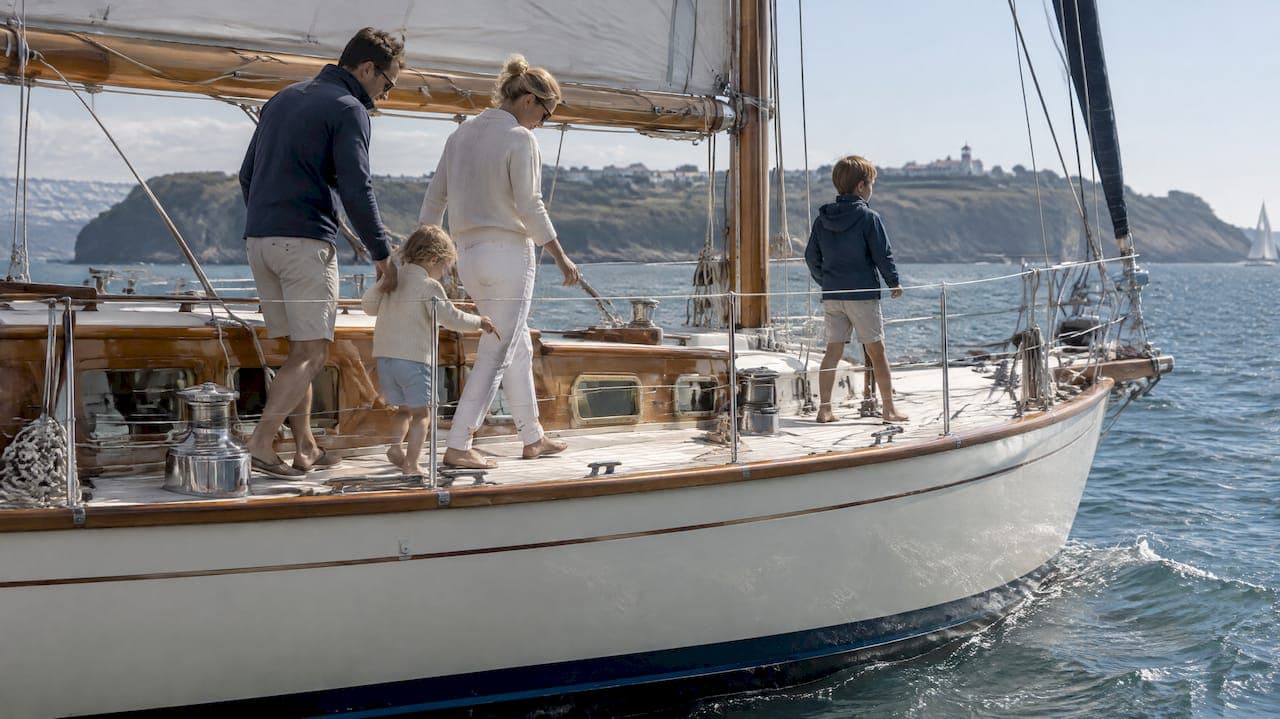
For a change of pace from land-based attractions, a private family sailing charter puts your group on the water without sharing the boat with strangers. Sterling Sails’ family charter option includes a USCG-certified captain, a customizable itinerary, and the option to work in a sail-and-swim stretch for kids old enough to handle open water with supervision.
These trips fit small families well, typically up to six guests, and run in windows of two to four hours depending on the itinerary you choose. A shorter sail suits families with younger kids who tire quickly, while a longer voyage gives older kids and teens time to help with lines or just watch Point Loma slide by from the deck. For families curious about marine life, a wildlife-focused sailing route adds a nature component that the Zoo can’t quite match, since you’re spotting animals in their own water rather than behind glass.
Book early for peak summer weekends and school breaks, since private charters have limited daily slots and the good weather windows go fast.
11. A Local Parent’s Notes on Pacing a Family Day
Families here learn quickly that one paid highlight paired with one free stop beats two big-ticket attractions crammed into a single day. A typical rhythm looks like a morning at the beach, a midday break for lunch and a nap in the shade, then an afternoon museum visit or a short cruise once energy picks back up. Skipping the second big attraction isn’t a loss. It’s usually what keeps the whole day from falling apart by 4 p.m.
— Captain Liz
12. Why Families Choose a Private Charter for a Different Kind of Day

Most family days in San Diego involve sharing space with a crowd, whether that’s a packed beach parking lot or a busy museum hallway. A private sailing charter flips that entirely. Sterling Sails’ Family Charter puts your group alone on the water with a USCG-certified captain, a flexible itinerary, and the option to build in swimming, wildlife watching, or simply a quiet sail along the bay’s edge.
- Fully private, with no strangers sharing your boat or your schedule.
- Flexible timing that works around naps, school pickups, or a tight weekend.
- A genuine wildlife-viewing opportunity right from the deck.
- Complimentary beverages and snacks for the adults, while kids have their own version of the adventure.
Families choosing a first sail often pair it with a shorter duration, then build toward longer voyages on return visits. Check available dates and pricing to find a time that works for your family’s next outing on San Diego Bay.
13. Where to Check Current Hours, Permits, and Tickets
Rules and hours shift by season, so confirm details directly before you head out.
- Mission Bay Park for shoreline access and family amenities.
- Fiesta Island for hours, permits, and pet and horse policies.
- Balboa Park Explorer Pass for current family pricing and museum access.
- Fleet Science Center for current exhibit and IMAX schedules.
- Kellogg Park for La Jolla parking gate hours.
For a broader look at planning a San Diego visit, the local destination overview from Hospitality Lens covers additional context on the area worth a glance before you book lodging.
Sources
- New San Diego Zoo exhibit connects kids with conservation
- Kids Day | Balboa Park
- Mission Bay Park | City of San Diego Official Website
- Balboa Park Explorer Pass — About
- Critter Camp | Helen Woodward Animal Center
FAQ
What Are the Top Things to Do in San Diego With Families?
The San Diego Zoo, Balboa Park’s museum cluster, La Jolla’s tide pools, and Mission Bay’s beaches and rentals cover the most reliable family picks. Rounding those out with a LEGOLAND day trip or a private sailing charter on the bay gives most families a full weekend without repeating themselves.
What Are Some Fun Things to Do in San Diego With Grandparents?
Balboa Park works well across generations since it mixes gentle walking paths with museum stops that don’t demand much physical stamina. A calm afternoon at La Jolla Cove or a relaxed sailing charter also suits a multi-generation group better than a high-energy theme park day.
What Are Some Free Things to Do in San Diego With Kids Today?
Mission Bay Park offers free beach access, bike paths, and playgrounds across its 4,235-plus acres, while La Jolla Cove’s tide pools cost nothing beyond parking. Fiesta Island and Vacation Isle add more free picnic and open-space options nearby.
What Are Some Fun Things to Do in San Diego for 5 Days With Kids?
A five-day trip fits comfortably around one theme park day, one Balboa Park museum day, one beach day at Mission Bay or La Jolla, one free or low-key park day, and one special outing like a private sailing charter. Spacing a big attraction between quieter days keeps younger kids from burning out partway through the week.
Is the Balboa Park Explorer Pass Worth It for Families?
The family Explorer Pass covers up to two adults and four children for $259 a year, which pays off quickly for families planning more than two or three museum visits. Families who expect only a single museum stop may do better buying individual tickets instead.