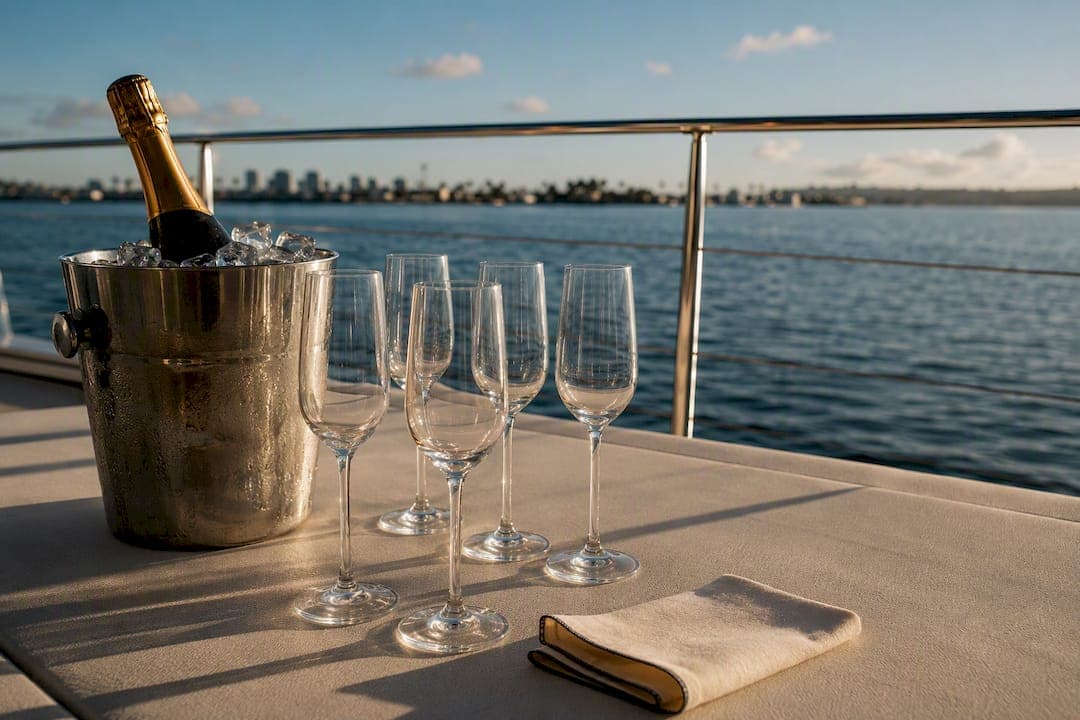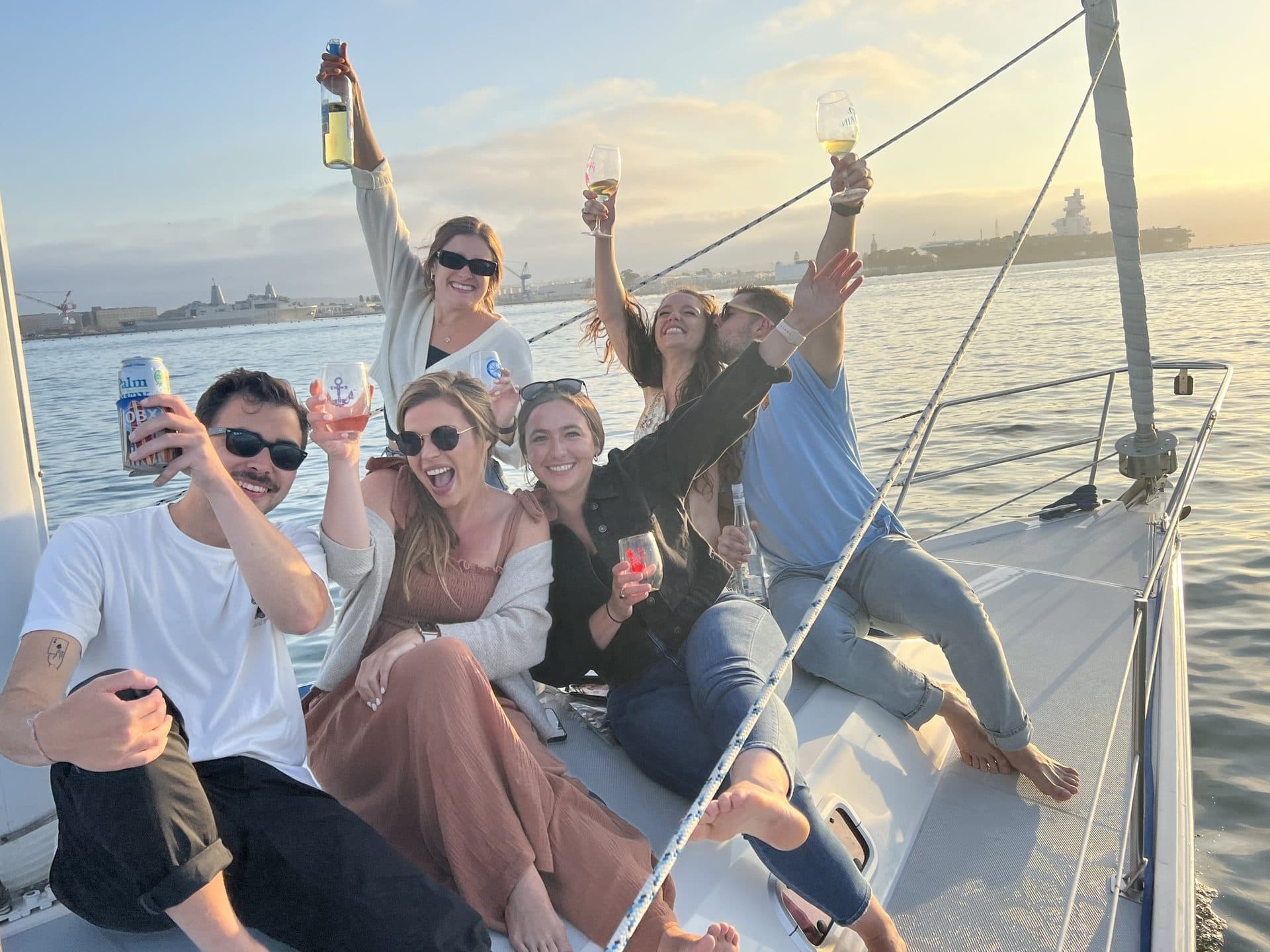
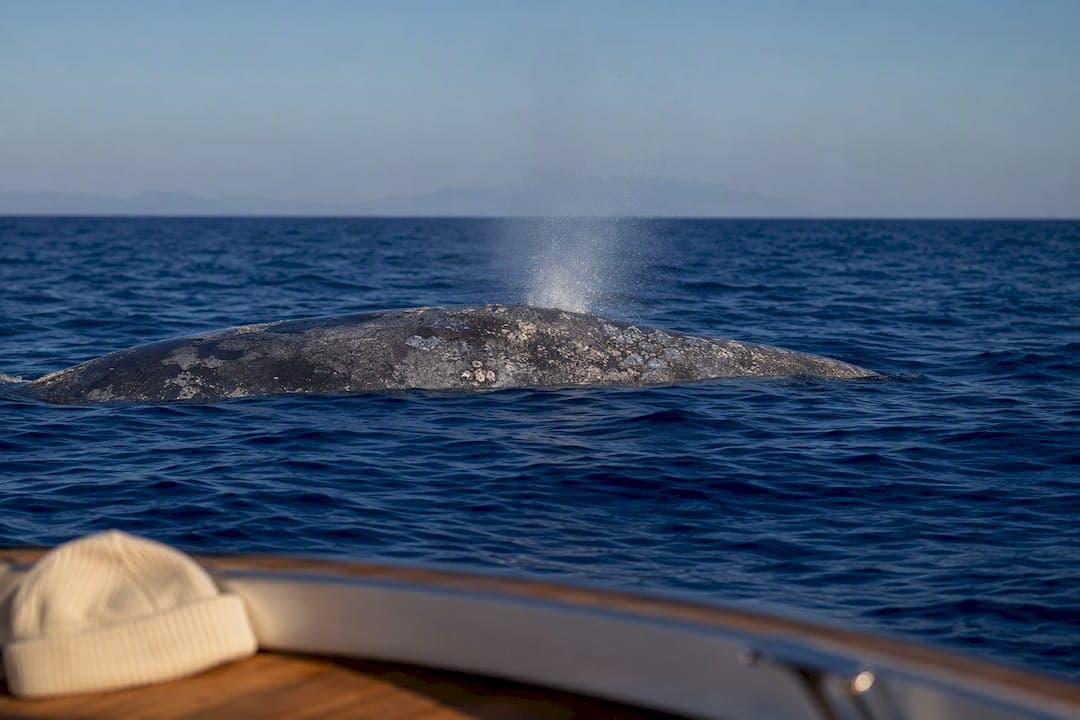
For a private, crowd-free wildlife or celebration sail, choose a private charter. For active exploration on your own steam, pick kayaking or paddleboarding. For guaranteed wildlife encounters without the paddling, book a whale-watching cruise timed to the season. Surfers and snorkelers head to La Jolla, while families often want calmer water and shorter days.
TL;DR:
- Private sailing charters are ideal for small groups seeking privacy, flexibility, or celebrations, with trips ranging from 2 to 4 hours and prices starting at $600.
- Kayaking and paddleboarding are best in calm waters like Mission Bay or La Jolla caves, suited for active travelers, with rentals available for confident paddlers and guided tours for beginners.
- Whale-watching cruises are seasonal, with gray whales passing from November to mid-February and other species like humpbacks and blue whales visible from late spring to early autumn.
- All motorized vessel operators in California must have a boating safety course completion and a valid Boater Card since January 2025, and vessels must carry Coast Guard-approved life jackets for each person.
- Parking varies by location, with ample options at Mission Bay and downtown but early arrival recommended, especially in peak summer periods when lots fill quickly.
Table of Contents
- Top water activities in San Diego: what to expect for each
- How to choose the right activity for your group, time, and budget
- Safety and legal must-knows before you go
- Where to go in San Diego and when
- Gear and clothing worth packing for each activity
- Protecting marine life while you’re on the water
- Permits and reservations to check before you go
- Getting to the water: transportation and parking
- Local pro view: why a private sailing charter can be the simplest way to enjoy San Diego Bay
- Sterling Sails: a private charter built around your plan
- Sources
- FAQ
Top water activities in San Diego: what to expect for each
San Diego Bay and the coastline north of it offer enough variety that the hardest part is narrowing down your options, not finding something to do.
Sailing ranges from shared harbor tours to fully private charters. A private sail means the boat is yours alone, which matters for photography, proposals, or a wildlife trip where you do not want to compete for rail space. Most charters run 2 to 4 hours.
Kayaking and paddleboarding work best in Mission Bay’s flat water or the La Jolla sea caves, where guided tours point out harbor seals and, in calmer months, leopard sharks near the shore. Self-guided rentals suit confident paddlers, while beginners and kids do better with a guide.
Whale-watching and wildlife cruises are seasonal by nature. Gray whales pass close to San Diego during their migration, and boats time their routes to the animals’ known corridors rather than chasing them randomly.
Surf lessons cluster around Pacific Beach and La Jolla Shores, where gentle, consistent breaks make first-timers comfortable. A typical lesson includes board, wetsuit, and about 90 minutes of instruction.
Snorkeling and diving center on La Jolla Cove and the adjacent underwater park, known for calm coves, kelp forests, and the chance to see garibaldi fish and sea lions.
Power and adventure rides, like jet boat tours, suit thrill seekers more than nature lovers. They move fast, so they are generally not recommended for pregnant travelers or anyone prone to motion sickness.
- Sailing suits small groups wanting privacy, romance, or unobstructed wildlife views.
- Kayaking and SUP suit active travelers who want a workout with scenery.
- Whale-watching suits nature lovers who want sightings without physical effort.
- Surf lessons suit beginners looking for a structured, one-time try.
- Snorkeling and diving suit those comfortable in open water who want marine life up close.
How to choose the right activity for your group, time, and budget
Start with your goal. A birthday on the water calls for something different than a first-time surf lesson or a solo kayak outing.
- Define your goal: celebration, adventure, wildlife, or simple relaxation.
- Count your group and check mobility needs, since some tours have age or fitness minimums.
- Set a budget range before you start browsing, since private charters and shared tours price very differently.
- Pick your season, since whale-watching and surf conditions shift month to month.
- Confirm the provider’s safety credentials and cancellation policy before paying a deposit.
A private charter tends to fit better than a rental or shared tour when your group wants flexibility, privacy, or a celebration angle. A rental suits solo or very budget-conscious travelers who are comfortable navigating on their own.
Pro Tip: Ask any operator directly how many life jackets they carry and whether the captain holds a Coast Guard license before you book.
Safety and legal must-knows before you go
San Diego Bay is beautiful, but it is also a working harbor, so a little homework keeps the day easy.
- Every vessel must carry a Coast Guard–approved, properly fitted life jacket for each person aboard.
- Children under 13 must wear a life jacket while the boat is underway, under California law.
- Anyone operating a motorized vessel in California must complete an approved boating safety course and hold a California Boater Card, a rule that took effect statewide as of January 1, 2025.
- San Diego Bay is a no-discharge zone with heavy commercial and Navy traffic, so boaters need to stay in marked channels and watch posted speed zones.
As of January 1, 2025, motorized vessel operators in California must complete a boating safety course and obtain a California Boater Card. That single requirement is worth checking before you rent or drive anything with a motor.
When booking a charter, confirm the captain holds a valid USCG license, that the vessel carries proper insurance, and that the operator complies with Port of San Diego charter vessel regulations, which set minimum standards specifically to protect passengers.
Where to go in San Diego and when
Location and timing shape the experience as much as the activity itself.
- Mission Bay offers flat, protected water ideal for beginner kayaking, SUP, and sailing lessons through Mission Bay Aquatic Center, a long-running instructional resource for the region.
- San Diego Bay and the Embarcadero are the classic departure points for harbor sails, with downtown towers catching the last light as boats glide past Coronado.
- La Jolla is the spot for snorkeling, sea caves, and more advanced paddling, thanks to its underwater park and kelp forests.
- Point Loma, Coronado, and Shelter Island serve as common launch points for whale-watching and coastal cruises heading out toward open water.
Whale timing matters most for that last category. Gray whales migrate south past San Diego from November through mid-February, then return north through May, according to NOAA Fisheries, which tracks the roughly 12,000-mile round trip between Arctic feeding grounds and Mexican breeding waters. Feeding species like humpback and blue whales tend to appear from late spring through early autumn, so the best month depends entirely on which animal you hope to see.
Gear and clothing worth packing for each activity
What you wear on the water changes by activity and by season, and San Diego’s marine layer can fool you into underdressing.
For sailing, bring a light windbreaker even in summer, since the bay breeze picks up once you clear the harbor. Sunglasses with a strap and reef-safe sunscreen are worth the small effort. Kayaking and paddleboarding call for quick-dry shorts or a rash guard, plus a hat that will not blow off, since you are closer to the spray. Surf lessons typically supply a wetsuit, but bring a towel and a change of clothes since San Diego water stays cool most of the year even when the air feels warm. Snorkeling trips benefit from your own mask if you have one, since a well-fitted mask makes a bigger difference than any other piece of gear. Winter whale-watching trips are the one place layers matter most: a warm jacket, gloves, and a hat make the difference between an enjoyable hour on deck and a cold retreat to the cabin. Across every activity, closed-toe water shoes beat flip-flops, and a dry bag for your phone earns its keep the moment spray hits the deck.

Protecting marine life while you’re on the water
San Diego’s coastline supports sea lions, harbor seals, leopard sharks, and migrating whales, and small choices on the water help keep it that way. Keep a respectful distance from marine mammals rather than approaching them directly, and let wildlife set the pace of any encounter. Avoid touching kelp forests or coral-like reef structures while snorkeling or diving, since they grow slowly and damage easily. Pack out anything you bring aboard, including food wrappers and sunscreen bottles, since San Diego Bay’s no-discharge zone status reflects a broader effort to keep the water clean for the animals living in it. Choose reef-safe sunscreen when you can, since standard formulas contain chemicals that can affect marine life over time. Operators who route whale-watching trips around known migration corridors, rather than chasing individual animals, tend to cause less stress to the whales and often get better, calmer viewing as a result.

Permits and reservations to check before you go
Most casual activities, like renting a kayak or paddleboard in Mission Bay, need no special permit for visitors, just a reservation with the rental outfit during busy summer weekends. Surf lessons and snorkeling excursions typically run on a first-booked, first-served basis, so reserving a day or two ahead during peak season avoids disappointment. Charter vessels operating from Port marinas must meet the Port of San Diego’s charter vessel regulations, which require proper documentation and licensing from the operator, not the passenger, so this is a check you can leave to the provider. If you plan to operate your own motorized rental, confirm ahead of time that you hold a valid California Boater Card, since some rental companies will ask for it before handing over the keys. Whale-watching and wildlife cruises rarely require advance permits for passengers, though popular departure windows during peak gray whale season book up early.
Getting to the water: transportation and parking
Mission Bay has ample public parking near its main beaches and aquatic centers, though summer weekends fill lots by mid-morning. The Embarcadero and downtown waterfront offer metered street parking and several public garages within a short walk of harbor departure points, which suits visitors staying in downtown hotels. La Jolla’s coastal lots near the Cove and Shores fill quickly on weekends, so arriving early or using rideshare avoids the circling. Point Loma and Shelter Island have dedicated marina parking for charter passengers, typically included as part of the booking. Rideshare services cover all these areas reliably, and for visitors without a car, that often beats hunting for a spot during peak season.
Local pro view: why a private sailing charter can be the simplest way to enjoy San Diego Bay
I’m a USCG-certified captain, and I have spent years guiding guests across San Diego Bay aboard the Mojave. What I have learned is that a private charter solves problems most visitors do not think to ask about until they are standing on a crowded dock. Mixed-ability groups, from grandparents to toddlers, move at their own pace without holding up strangers. Celebrations get an unobstructed setting rather than a shared deck. Wildlife trips get quiet, patient positioning instead of a rush for the rail.
When you book any charter, ask about passenger limits, included amenities, and the captain’s credentials, and confirm the operator follows Port of San Diego charter regulations.
The best charters make the ocean feel like it belongs to you for an afternoon.
— Captain Liz
Sterling Sails: a private charter built around your plan
If a private charter sounds right for your day, Sterling Sails runs fully private, customizable sailing charters aboard the classic yacht Mojave on San Diego Bay, so your group never shares the deck with strangers.
Every trip includes a USCG-certified captain, complimentary champagne, and room for up to six guests, whether you’re planning a sunset sail, a wildlife outing, a family afternoon, or a bachelorette celebration.
- Shorter trips, like the 2-Hour Sunset Cruise, suit an evening plan with minimal commitment.
- Longer voyages of 3 to 4 hours give whale-watching and swim stops enough time to unfold without feeling rushed.
- Sail & Swim charters add paddleboards and an onboard swim stop for groups wanting more activity on the water.
| Charter type | Duration | Starting price |
|---|---|---|
| San Diego Sailing Cruise | Half-day | from $600 |
| Sail & Swim | Half-day | from $900 |
| 2-Hour Bay Wildlife Cruise | 2 hours | $600 |
Confirm your passenger count and any special requests when you book, and browse the full range on the sailing adventures page or check whale-watching charter options if wildlife is the goal.
Sources
For migration timing, NOAA Fisheries tracks gray whale movement along the coast. For boating rules and the Boater Card, check California State Parks’ DBW. Charter regulations and bay conditions come from the Port of San Diego. For lessons and rentals, Mission Bay Aquatic Center remains the region’s primary instructional hub.
- Gray whales — Eastern North Pacific | NOAA Fisheries
- Boating Safety Classes and Courses | California State Parks
- General Bay information | Port of San Diego
- Mission Bay Aquatic Center
FAQ
What is the best water activity in San Diego for families with young kids?
Calm-water options like Mission Bay kayaking, paddleboarding, or a private family sailing charter tend to suit young children best, since the water stays flat and trips can run shorter. A family charter also lets you set the pace rather than following a group schedule.
Do I need a boater card to rent a kayak or paddleboard?
No, the California Boater Card requirement applies to motorized vessel operators, not to kayaks, paddleboards, or sailboats without a motor. Anyone driving a rental powerboat, however, will need one.
When is the best time to see whales in San Diego?
Gray whales migrate south past San Diego from November through mid-February and return north through May, according to NOAA Fisheries. Feeding species like humpback and blue whales are more commonly spotted from late spring through early autumn.
Is a private sailing charter more expensive than a group tour?
A private charter typically costs more per trip than a seat on a shared tour, since you are booking the whole boat rather than one spot on it. Sterling Sails charters start from $600 for a private sail with a small group, which often works out reasonably per person once split.
What should I bring on a whale-watching or sailing trip?
Layers matter most, since San Diego’s marine air can feel cooler on the water than on land, along with sunglasses, sunscreen, and a light jacket for wind. For winter whale-watching trips, add gloves and a warm hat.